
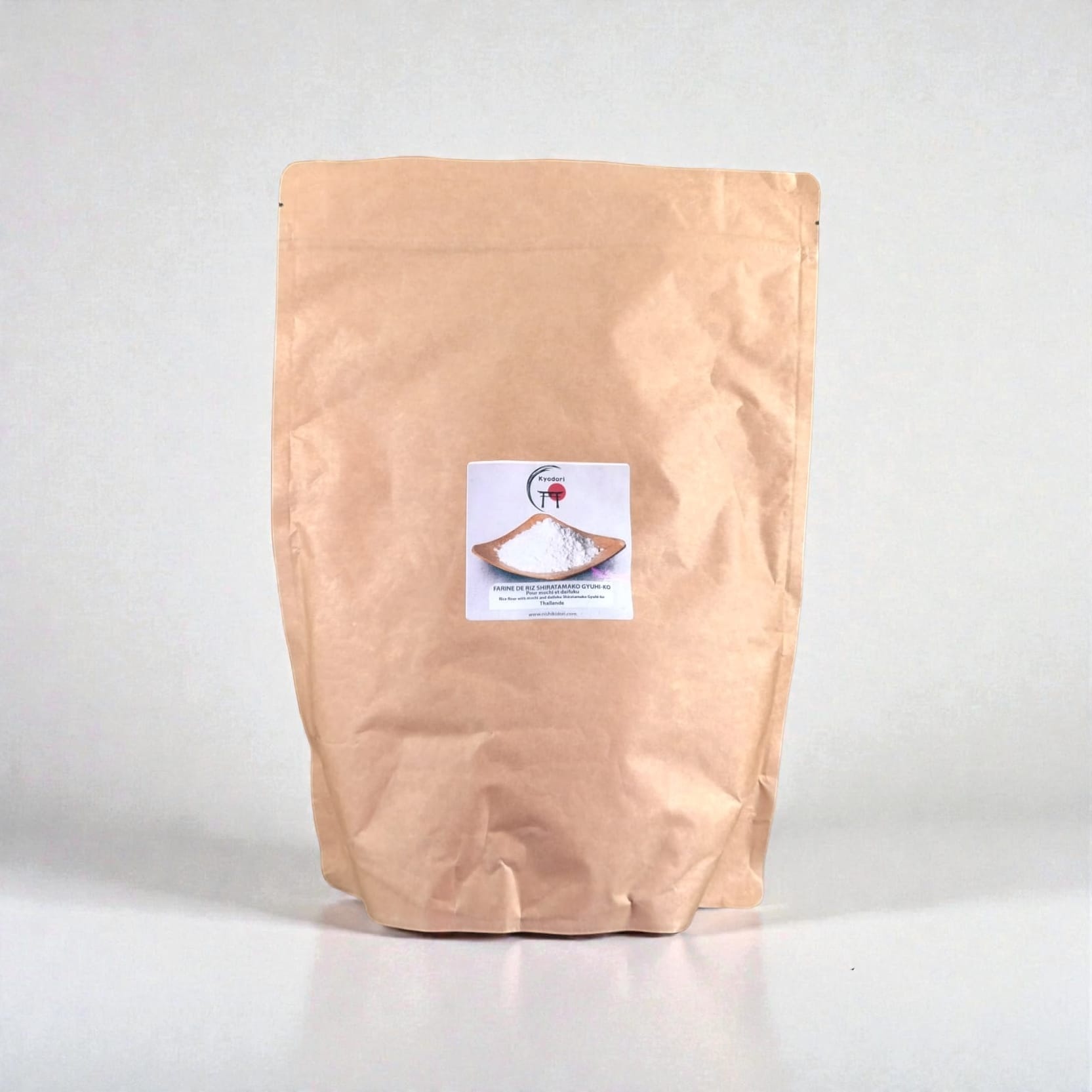
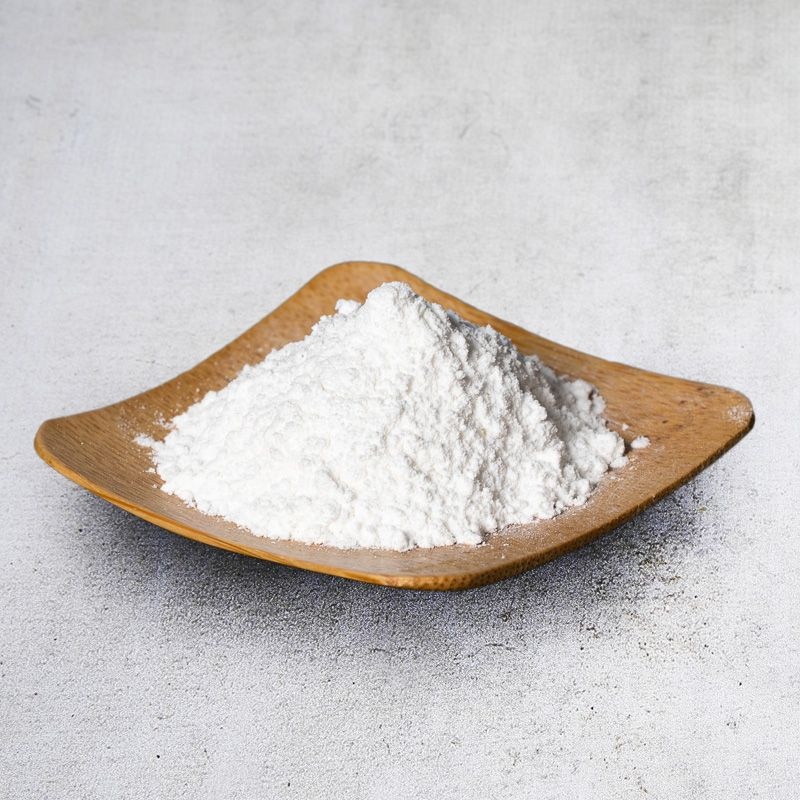
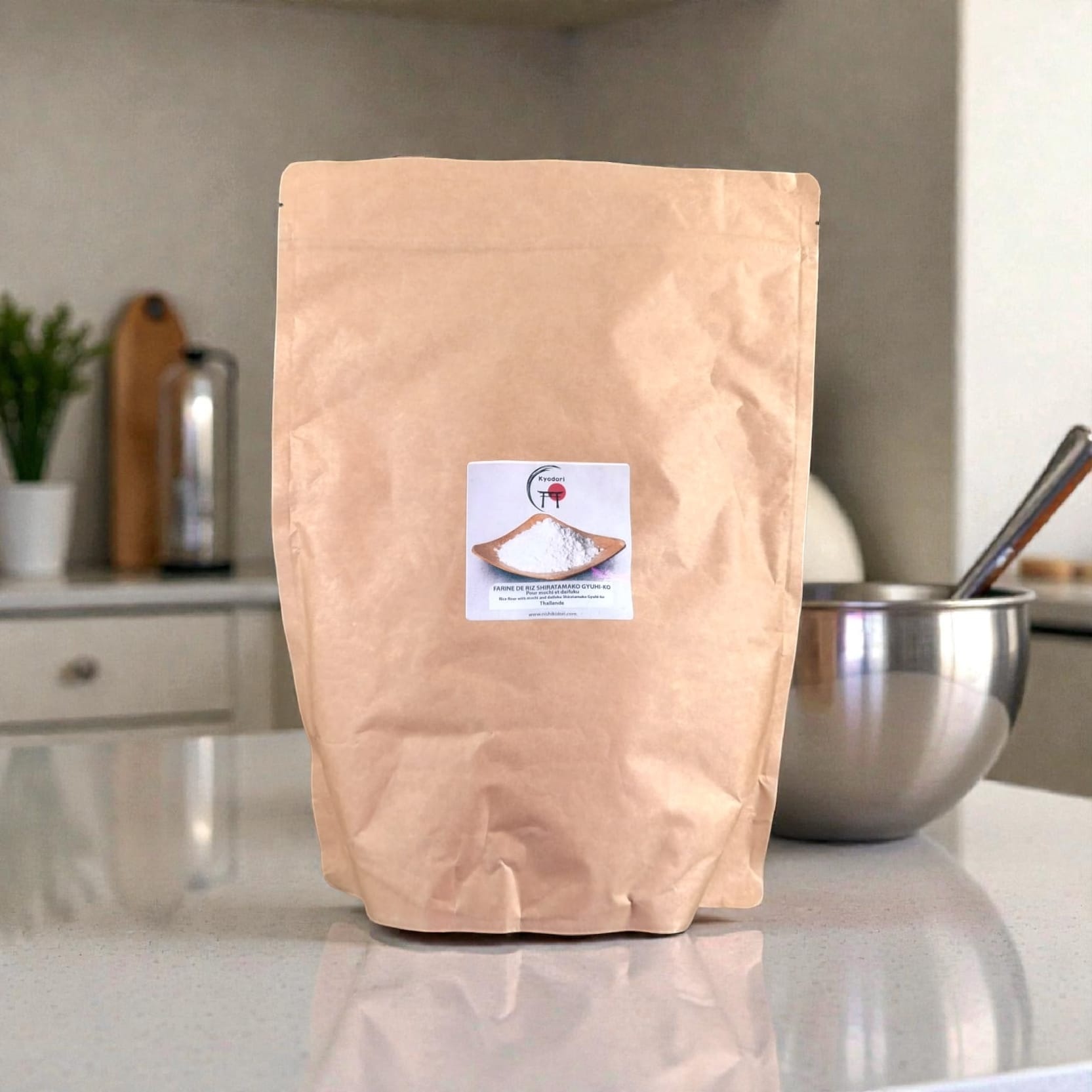
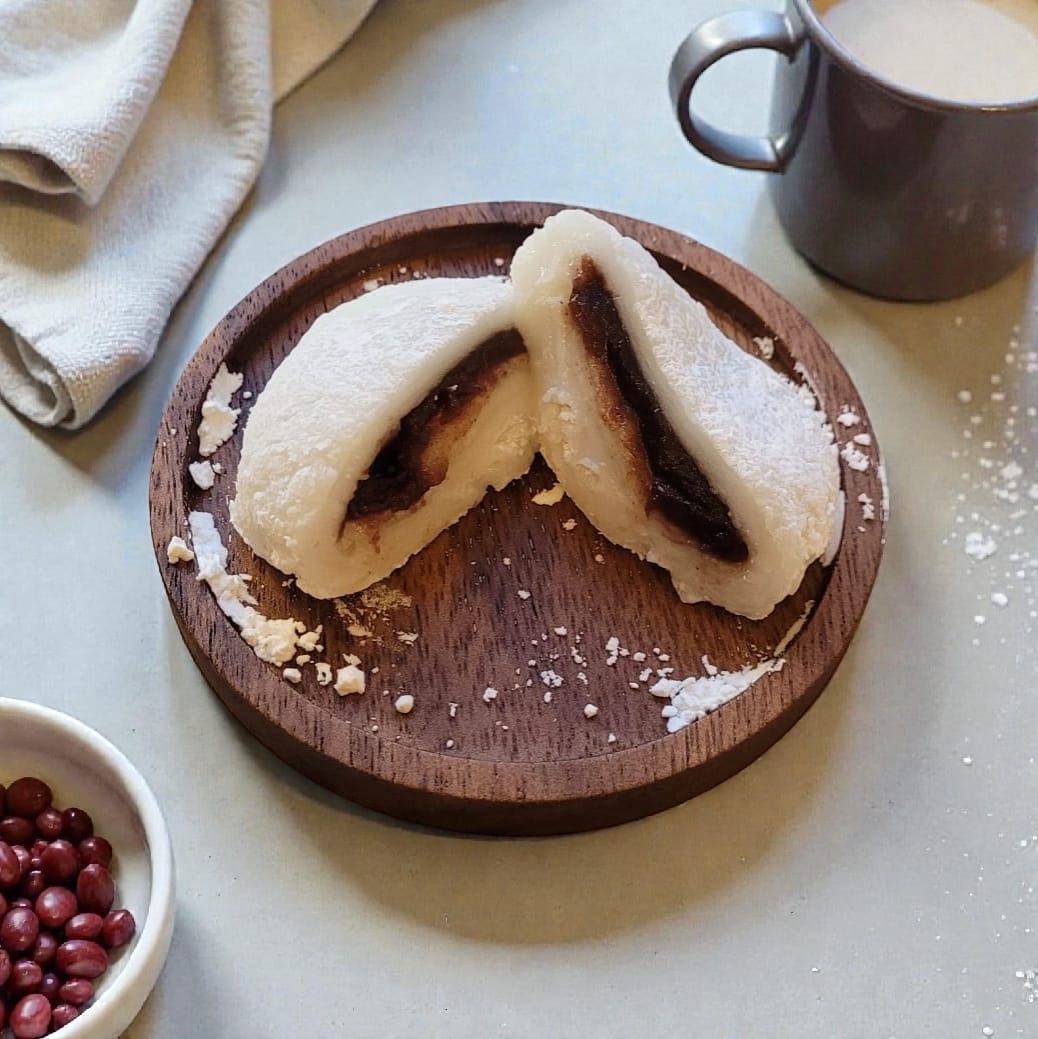
Shiratamako is a premium mochi rice flour made from glutinous (sticky) rice. This flour is known for its excellent results: an ultra-smooth and elastic mochi texture, a beautiful white color, and a soft, creamy bite.
This variety consists of glutinous rice flour with a small amount of rice starch added. This makes the dough softer, refines the texture, and ensures it is smoother and more pleasant to work with.
Mochi
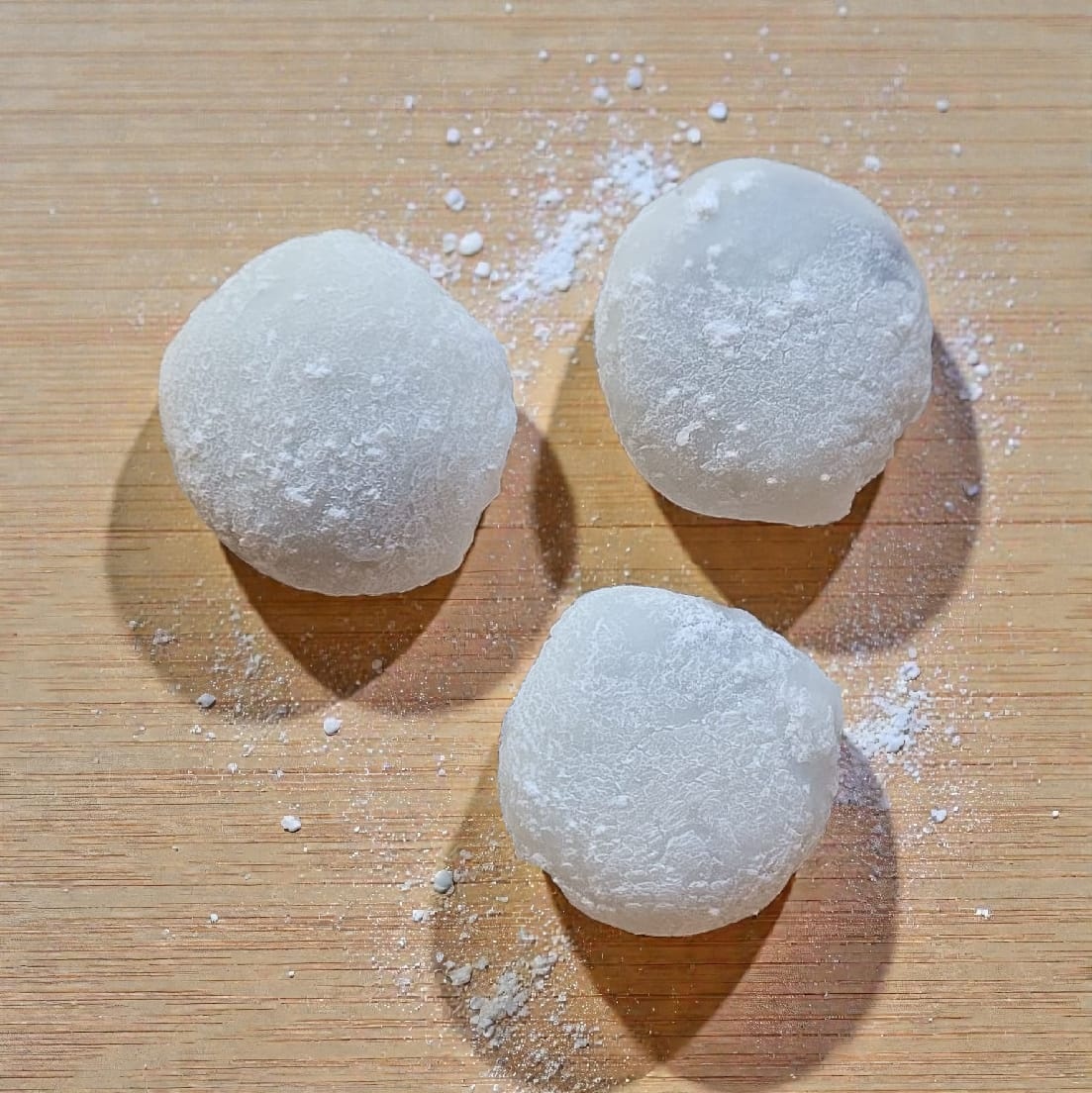
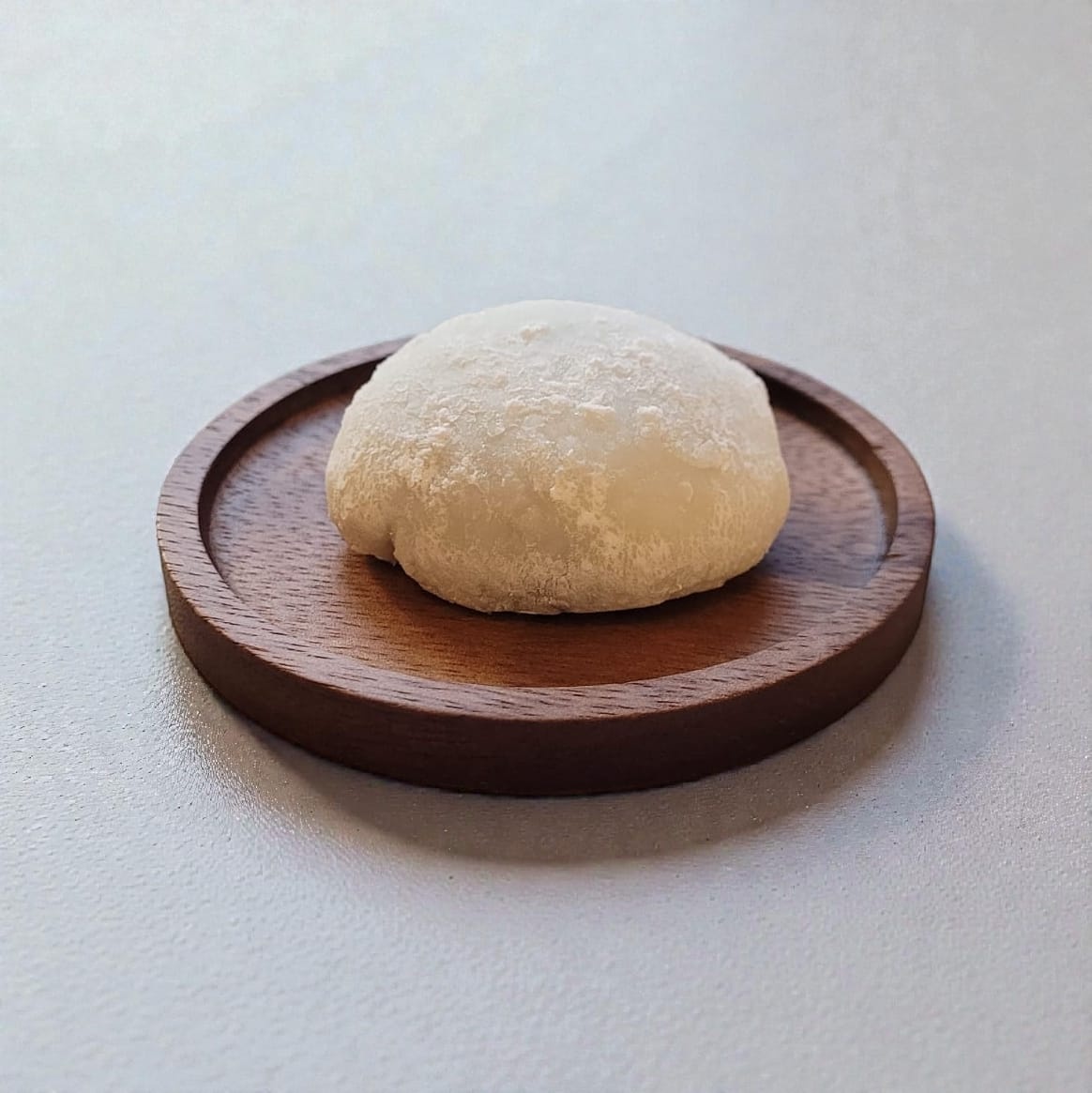
Mochi are Japanese glutinous rice “cakes,” usually round in shape, made from steamed and pounded sticky rice or from glutinous rice flour, water (and sugar). They have an elastic, sticky texture and can be eaten on their own or used as a base for many Japanese dishes and sweets, such as daifuku (mochi filled with anko, sweet red bean paste). Mochi is therefore both a dish in itself and an umbrella term for foods made with mochi.
The glutinous rice flour used to make mochi is usually mochiko or shiratamako(as in this product). Shiratamako is the premium choice and is widely used in traditional Japanese confectionery. It produces softer mochi, a smoother structure, and a more refined final result. Mochiko yields a firmer mochi and is therefore often more affordable.
In Japan, you will also often find kiri mochi: square or rectangular slabs of mochi. These are made from steamed and pounded glutinous rice that has been dried and vacuum-packed. In the package, they are hard and firm, but once heated (or sometimes soaked in water), they become soft and stretchy again.
Uses
Traditionally, mochi is a popular New Year’s food in Japan. While it is still widely eaten around the turn of the year, mochi is now enjoyed year-round. Due to the global popularity of Japanese cuisine, mochi has also become extremely well known in the West, for example in the form of ice cream–filled mochi.
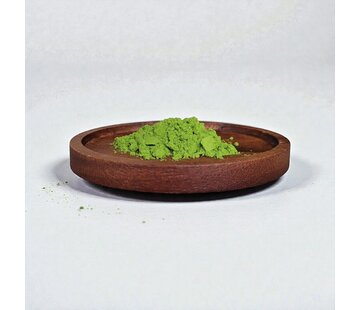
Mochi is often grilled and added to sweet red bean soup (zenzai) or coated in sweetened soybean flour (kinako). One of the most famous (and delicious) applications is daifuku: mochi filled with anko (sweet red bean paste), often enjoyed with green tea such as matcha. Daifuku is also frequently filled with fruit, such as strawberry. Matcha can also be mixed directly into the mochi dough, giving it a delicious green tea flavor and a beautiful green color.
Although mochi is mainly known in the West as a sweet treat, it also has savory applications in Japan, such as: grilled and served with soy sauce or nori (seaweed); grilled in puréed corn soup (tomorokoshi surinagashi-jiru); added to New Year’s soup (ozoni); or deep-fried and served with broth and radish (agemochi iridashi). When grilled, mochi puffs up and develops a lightly crispy exterior.
Recipe (Basic Mochi)
Place 100 g of shiratamako in a heatproof bowl, add 60 g of sugar, and mix well.
Add 160 ml of water and whisk until smooth.
Microwave method: Loosely cover the bowl with microwave-safe plastic wrap. Heat the mixture for 1 minute at 900 W. Stir thoroughly with a spatula, scraping down the sides and mixing everything well.
Heat again for 1 minute, then stir until it forms a thick, sticky dough.
Heat for another 30 seconds.
The dough is ready when it is glossy, elastic, and almost translucent, with no white or dry spots.
During heating, the mixture will transform into a shiny, thick, stretchy mochi dough.
Check your dough carefully — depending on your microwave, it may need an additional short heating time to reach the correct thickness and texture.Dust your work surface and hands with cornstarch or potato starch. Transfer the dough onto the surface and roll it out.
Refrigerate the dough for about 10 minutes to cool and rest.
Remove the dough from the refrigerator and shape it into small balls.
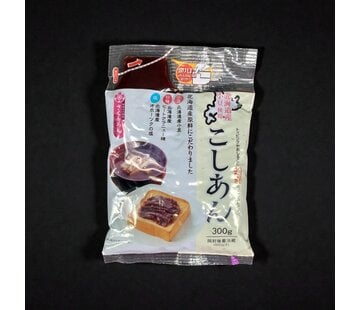
You can optionally flatten the mochi balls and fill them with sweet red bean paste:
koshian (smooth), tsubuan (chunky), or sakura (with cherry blossom).
This is how you make daifuku!
Dango
With this flour, you can also make dango: firm glutinous rice dumplings. Dango is made from glutinous rice flour (shiratamako), water, sugar, and often an additional regular rice flour. The difference from mochi lies also in the preparation: for dango, you first shape the dough into balls and then boil them in water. For mochi, the mixture is steamed (or microwaved) first, and the dough is shaped afterward.
Dango is not a type of mochi, but a separate dish. It is often served with a sweet soy sauce glaze (mitarashi dango).
Producer
Gunma Seifun is a Japanese producer of various types of flour based in Shibukawa (Gunma). For this product, the company has the glutinous rice flour specially produced in Thailand, where they can guarantee an optimal balance of price and quality. Thai rice is used for this flour, blended with a small amount of rice starch.
Gunma Seifun has been producing and developing flours for over 80 years and places great importance on a good working environment for its employees. The company combines modern technologies with traditional methods and develops a wide range of (rice) flours, powders, and premixes for both Japanese confectionery and Western patisserie. Production is based on decades of experience, expertise, and craftsmanship.
In addition, Gunma Seifun uses only ingredients with fully traceable origins; true attention to quality. The company works closely with its (mostly Japanese) clients to meet their specific requirements.
Storage
Store in a cool, dark, and dry place. After opening, reseal tightly in an airtight container. The flour may be stored in the refrigerator, but must be well protected from moisture.